Insect Decline: The Effects on Nature
Insects are everywhere – and with more than 1.5 million species, they are the most common living creature on Earth. Despite many people thinking they're nothing but a pest, they play a crucial role in maintaining healthy ecosystems.
The Scale of Decline
The decline in insect populations is one of the most pressing environmental issues of our time. Studies suggest that:
- Flying insect populations have fallen by over 75% in some areas
- Butterfly numbers in the UK have dropped by 46% since 1976
- Bees are under threat from habitat loss and pesticides
- Many moth species have declined dramatically
Insects are essential pollinators, decomposers, and a vital food source for countless other species. Their decline has far-reaching consequences for biodiversity and ecosystem health.
What We're Doing
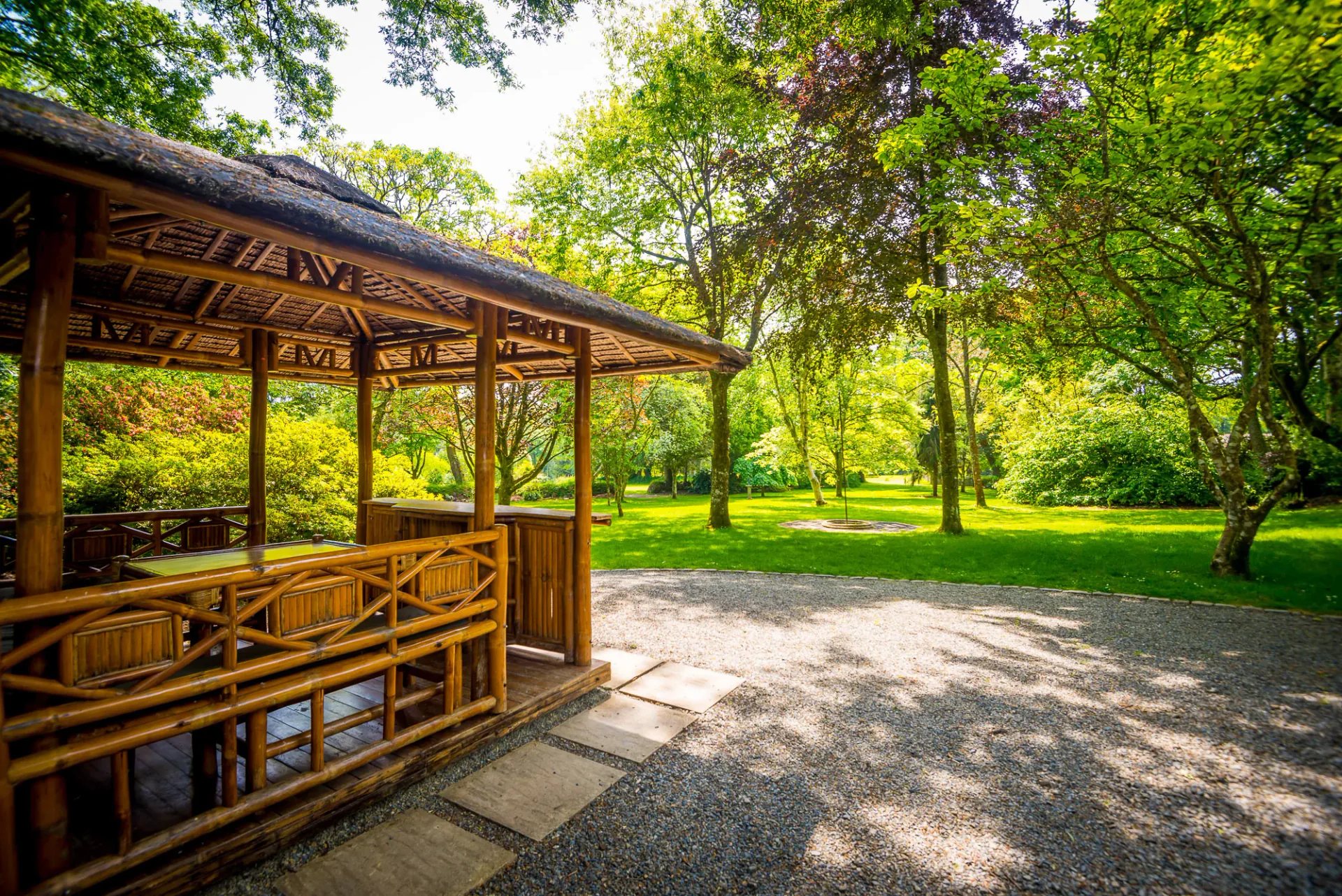
At Pinetum Gardens, we're committed to supporting insect populations through our gardening practices:
- Wildflower meadows left to grow naturally
- No harmful pesticides anywhere in the gardens
- Native species planted alongside ornamental ones
- Deadwood habitats left for beetle larvae
- Year-round flowers to support pollinators in every season
"Our gardens serve as a sanctuary for bees, butterflies, beetles, and countless other insect species."
How You Can Help
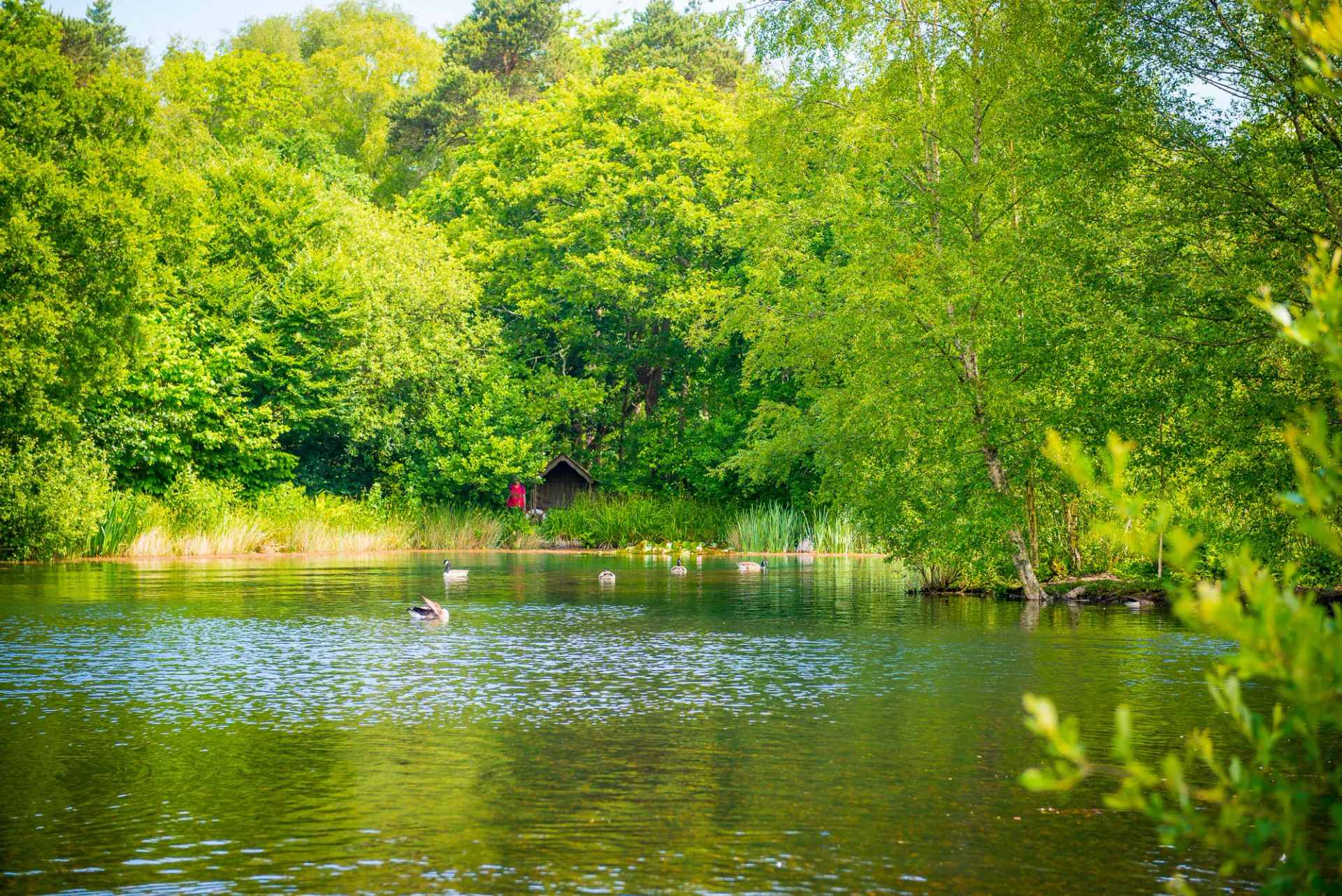
Every garden can make a difference. Let a patch grow wild. Avoid pesticides. Plant flowers that bloom at different times. Together, we can create a network of safe havens across Britain.
Visit Pinetum Gardens to experience the beauty yourself
Book your visit